
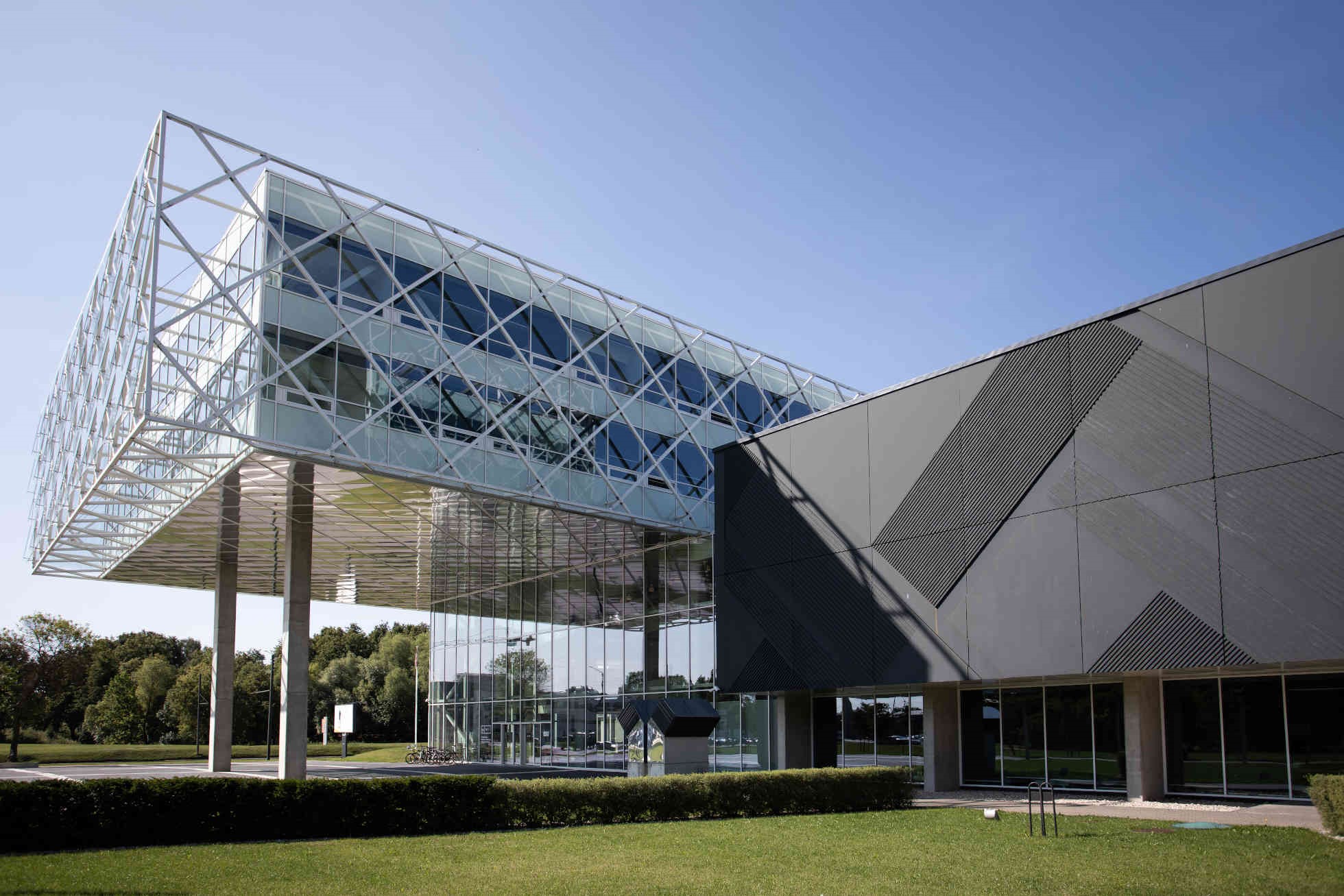
Kaunas University of Technology
Kaunas University of Technology traces its origins to the establishment of the High Courses for Higher Technical Studies in Kaunas in 1922, which was the first institution of higher technical education in Lithuania.
In 1930, it was renamed the Lithuanian University of Technology and granted university status. During the Soviet occupation of Lithuania, the university underwent various name changes and structural reorganizations, before regaining its current name and autonomy after the country’s independence in 1990.
Over the decades, Kaunas University of Technology has expanded its academic programs and research capabilities, growing into one of the leading technical universities in the Baltic region, Kaunas University of Technology has established partnerships with over 300 universities and research institutions around the world. It is a member of several international university networks and associations, including the European University Association and the Network of Universities from the Capitals of Europe. In addition to its QS World University Ranking, KTU has also been recognized in other international rankings, such as the Times Higher Education World University Rankings and the U-Multirank.
Research and Innovation
KTU is a major research university, with a focus on applied and interdisciplinary research in fields like engineering, materials science, information technology, and sustainable energy. The university has several research institutes and centers that work on cutting-edge projects, often in collaboration with industry partners.KTU operates a science and technology park called Santaka Valley, which serves as an innovation hub and incubator for startups and spin-offs.
Focus
Kaunas University of Technology is recognized for its research expertise in areas like smart manufacturing, renewable energy, sustainable materials, digital transformation, and life sciences. The university’s research teams have been involved in numerous national and international research projects, securing significant funding from sources like the European Union, national science foundations, and industry partners.KTU researchers have published their work in high-impact academic journals and have received various awards and recognitions for their contributions to their respective fields. The university’s research output and innovation activities have also led to the creation of several spin-off companies and the registration of numerous patents.
Campus and Student Life
The main campus of KTU is located in central Kaunas, with additional facilities and buildings across the city with modern laboratories, research facilities, libraries, sports centers, and other student amenities. The university also operates a science and technology park that supports startups and facilitates collaboration between the university and industry,
Furthermore, KTU has a vibrant student community, with over 11,000 students from Lithuania and around the world. The university offers a wide range of student clubs, organizations, and sports teams, covering areas like technology, entrepreneurship, arts, and community service, Students can also participate in various cultural events, festivals, and conferences organized by the university throughout the year.KTU provides modern dormitories, dining facilities, libraries, and recreational spaces to support the overall student experience.
In addition to its main campus in Kaunas, KTU has several other facilities and campuses across the city, including:
The Santaka Valley research and innovation complex.
The KTU Santaka Valley Science and Technology Park.
The KTU Panemune Campus focused on architecture and design
The KTU Klaipėda Campus offers programs in maritime engineering
The university’s facilities include modern laboratories, workshops, experimental testing centers, and state-of-the-art research equipment.KTU also operates several specialized centers and institutes, such as the Laser Technology Center, the Institute of Environmental Engineering, and the Center for Mechatronics.
Academic Programs
Popular degree programs include computer science, electrical engineering, mechanical engineering, and business administration. KTU also has several research institutes and centers focused on areas like materials science, sustainable energy, and information technologies.

Add your first comment to this post